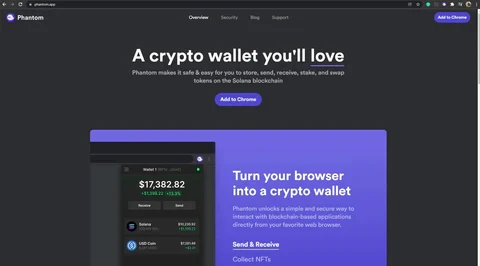
Phantom Wallet –
Phantom Wallet has emerged as one of the leading non-custodial cryptocurrency wallets, especially in the Solana ecosystem. Over the years, it has expanded to support Ethereum and other EVM-compatible blockchains, offering users a secure, fast, and user-friendly platform to manage their digital assets. Whether you are trading, staking, or collecting NFTs, Phantom Wallet provides a versatile solution for modern crypto users.
This guide covers everything: features, setup, security, staking, NFTs, DeFi integration, troubleshooting, and alternatives in 2025.
1. Introduction to Phantom Wallet
Phantom Wallet is a non-custodial wallet, meaning users retain full control over their private keys. Unlike centralized exchanges, Phantom ensures that you are the sole owner of your funds, and your private keys are never stored on a server.
Key characteristics of Phantom Wallet include:
Multi-chain support: Solana, Ethereum, and EVM-compatible networks.
DeFi integration: Connect directly to lending, borrowing, and staking platforms.
NFT support: Store, send, receive, and interact with NFTs from supported chains.
Cross-platform access: Available as browser extensions (Chrome, Firefox, Edge) and mobile apps (iOS, Android).
Phantom Wallet balances security, speed, and usability, making it suitable for both beginners and professional users.
2. Core Features of Phantom Wallet
2.1 Easy-to-Use Interface
Phantom provides a clean, intuitive dashboard where users can:
View balances and portfolio breakdown.
Track transaction history and staking rewards.
Access NFT collections and marketplace integrations.
2.2 Multi-Chain Asset Management
Manage assets across Solana, Ethereum, and EVM-compatible blockchains in one wallet.
Swap tokens within supported networks without needing an external exchange.
2.3 DeFi & dApp Integration
Connect securely to decentralized apps (dApps) for trading, staking, and lending.
Approve transactions without leaving the wallet interface.
2.4 NFT Functionality
Manage NFTs from supported blockchains.
Seamlessly interact with NFT marketplaces like Magic Eden and OpenSea.
2.5 Security Features
Non-custodial: Private keys remain on the device.
Biometric authentication on mobile apps.
Ledger hardware wallet support for enhanced security.
3. Setting Up Phantom Wallet
Step 1: Download Official App
Use the official Phantom website or trusted app stores.
Install the browser extension or mobile app.
Step 2: Create Wallet
Click “Create New Wallet” and set a strong password.
Step 3: Backup Seed Phrase
Phantom provides a 12-word seed phrase for recovery.
Store it offline securely; do not share with anyone.
Step 4: Add Funds
Deposit supported tokens like SOL, Ethereum, or other compatible assets.
Transfers can be done from exchanges, other wallets, or friends.
Step 5: Connect to dApps
Interact with decentralized finance apps, NFT marketplaces, and staking platforms.
Transactions are approved securely within Phantom.
4. Security Best Practices
Phantom Wallet is highly secure if users follow best practices:
Never share your seed phrase or private keys.
Enable biometric authentication on mobile devices.
Use hardware wallets like Ledger for extra security.
Only connect Phantom to verified dApps and websites.
Keep devices updated and protected with antivirus software.
Security is mostly user-dependent; vigilance is essential for protecting funds.
5. Staking on Phantom Wallet
Phantom supports staking for certain cryptocurrencies, such as SOL:
Earn rewards: Staking allows you to grow your assets passively.
Delegation: Stake tokens with validators without relinquishing control.
Low fees: Validators may charge a small commission, but Phantom does not.
Staking directly from Phantom is simple and safe, making it ideal for long-term investors.
6. Phantom Wallet Mobile App vs Browser Extension
FeatureBrowser ExtensionMobile AppUser interfaceDesktop optimizedMobile optimizeddApp connectionFull supportLimited depending on appPush notificationsNoYesBiometric loginNoYesAccessibilityDesktop onlyMobile only
Using both platforms can maximize convenience, security, and accessibility.
7. Fees on Phantom Wallet
Network fees: Paid to blockchain validators.
Token swaps: Small service fee applied in the wallet.
Staking rewards: Validators may take a small commission, but Phantom does not charge fees.
Phantom is widely regarded as a low-cost wallet solution compared to centralized exchanges.
8. Common Issues and Troubleshooting
Wallet not connecting to dApps:
Check the correct network is selected.
Clear browser cache or reconnect the wallet.
Lost seed phrase:
Recovery is impossible without it; always back it up.
Pending transactions:
Check network congestion and resubmit if necessary.
Suspected hack or phishing:
Immediately transfer assets to a new wallet with a new seed phrase.
Preventive security is always better than reactive recovery.
9. Alternatives to Phantom Wallet
Metamask: Best for Ethereum and EVM-compatible chains.
Trust Wallet: Multi-chain wallet with DeFi and NFT support.
Ledger Nano + Phantom: Combines hardware wallet security with Phantom interface.
Solflare Wallet: Focused on Solana ecosystem for staking and NFT management.
The choice depends on your blockchain focus, security needs, and user experience preferences.
10. Why Phantom Wallet Stands Out
Non-custodial: Complete control over funds.
Cross-chain: Manage assets across multiple networks from a single wallet.
DeFi integration: Direct access to staking, lending, and liquidity protocols.
NFT support: Seamless NFT management and marketplace interaction.
User experience: Clean, fast, and intuitive design for beginners and pros.